Arabic (اللغة العربية)
  English







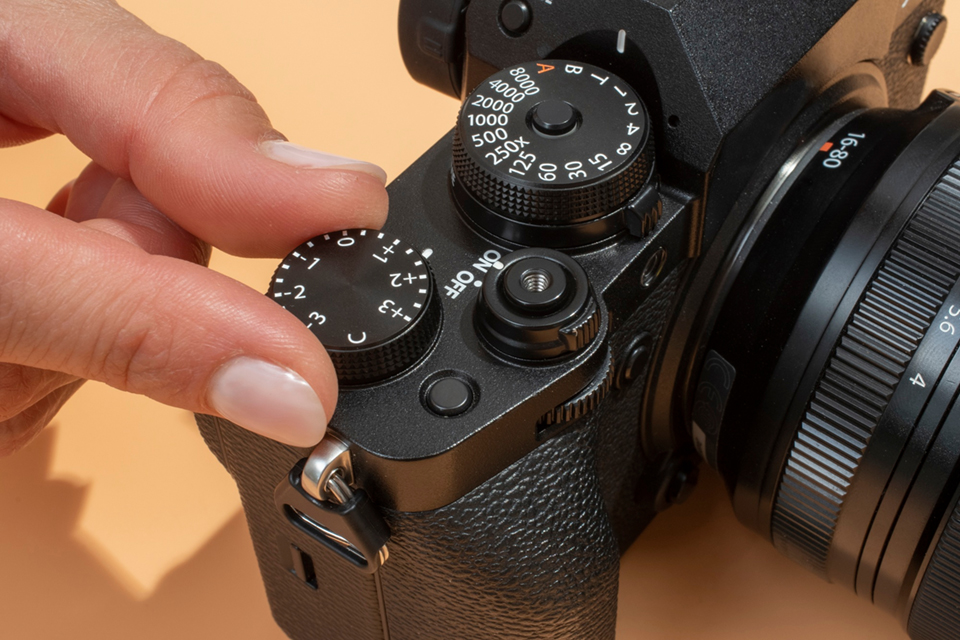
In an era where details are devoured at the speed of light, photography remains a unique form of magic—a power to halt time for a fleeting moment and seal it within a frame that never dies. It is not merely
the pressing of a button, but a silent dialogue between the eye and the scene, between the soul and the image.
Photography: More Than Just Documentation
Some assume that photography is merely a means of preserving memories; yet, at its core, it runs far deeper. A true photographer does not merely document what they see, but captures what they feel. A photograph of a sunset reveals not only the colors of the horizon but also carries the warmth and tranquility of that specific moment. An image of a laughing child conveys not just facial features, but preserves the innocence and spontaneity of childhood for all eternity.
Why Do People Choose Photography as a Hobby?
There are numerous reasons why photography captures the hearts of so many, making it one of the most captivating hobbies:
- For Self-Expression – Words can sometimes fail us, but a single image can silently tell a thousand stories. Every photographer possesses a unique signature—a distinct way of viewing the world—and this is precisely what distinguishes their images from those of others.
- To Beautify Reality – A photographer does not simply capture the world as it is, but rather as they perceive it. They can transform a neglected alleyway into a work of art, or a single raindrop into a glistening jewel.
- To Immortalize Beauty – Beauty surrounds us, yet it is inherently fleeting—a melting snowflake, a passing smile, a fading light. Photography grants this beauty an immortality that nature itself cannot provide.
- For Contemplation and Serenity – When behind the camera, a photographer enters a state of deep focus and total mindfulness of the present moment, liberated from the pressures of the past and the anxieties of the future.
How to Get Started in Photography? For every beginner in the world of photography, here is a step-by-step guide:
1. Start with What You Have
You don't need a professional camera costing thousands of dollars. Your smartphone is an excellent starting point. Modern smartphone cameras offer superb quality; more important than the device itself is the eye that sees and the heart that feels.
2. Learn the Basics
Before you buy any equipment, learn:
The Rule of Thirds – dividing the frame into nine equal sections and placing key elements along the intersecting lines.
Lighting – how the angle and intensity of light affect the mood and soul of an image.
Composition – how to arrange elements within the frame to tell a story.
3. Practice Daily
The difference between an amateur photographer and a seasoned professional lies in the thousands of photos they have taken. Take a picture every day, even if it’s of something simple—peeling walls, long shadows, the faces of passersby, or the details of your own room.
4. Discover Your Own Style
Experiment with different genres of photography to find what resonates with your spirit:
- Nature Photography – for those who love tranquility and wild beauty.
- Portrait Photography – for those fascinated by the human soul and facial details.
- Architectural Photography – for lovers of lines and geometric shapes.
- Street Photography – for those who hunt for spontaneous, authentic moments.
Equipment: Step by Step
If you feel that your phone is no longer sufficient, you might consider:
- A Mirrorless Camera – lightweight and ideal for beginners.
- A DSLR Camera – an excellent traditional choice offering a wide range of lens options.
- A 50mm Lens – often called the "portrait lens," it teaches you to rely on your own movement rather than the camera's zoom.
- A Tripod – essential for night photography and capturing still scenes.
- But always remember: good equipment does not make a good photographer. A keen eye and a sensitive heart are what create a great photograph.
Photography: A Journey, Not a Destination - A true photographer never reaches a point where they can say, "I have mastered it all." The world of photography is a shoreless ocean; the deeper you venture into it, the deeper you discover it to be. You might begin by photographing cats and flowers, only to find yourself—years later—planning a photographic expedition to the Himalayas or the ancient markets of Marrakech.
The Challenges You Will Face - Initial Frustration – Your photos won't be spectacular at first, and that is perfectly normal.
- Fear of Criticism – People may offer comments, but remember that art is a matter of personal taste.
- Comparing Yourself to Others – Especially on social media; remember that your path is yours alone.
- Occasional Solitude – A good photographer often works alone.