Arabic (اللغة العربية)
  English





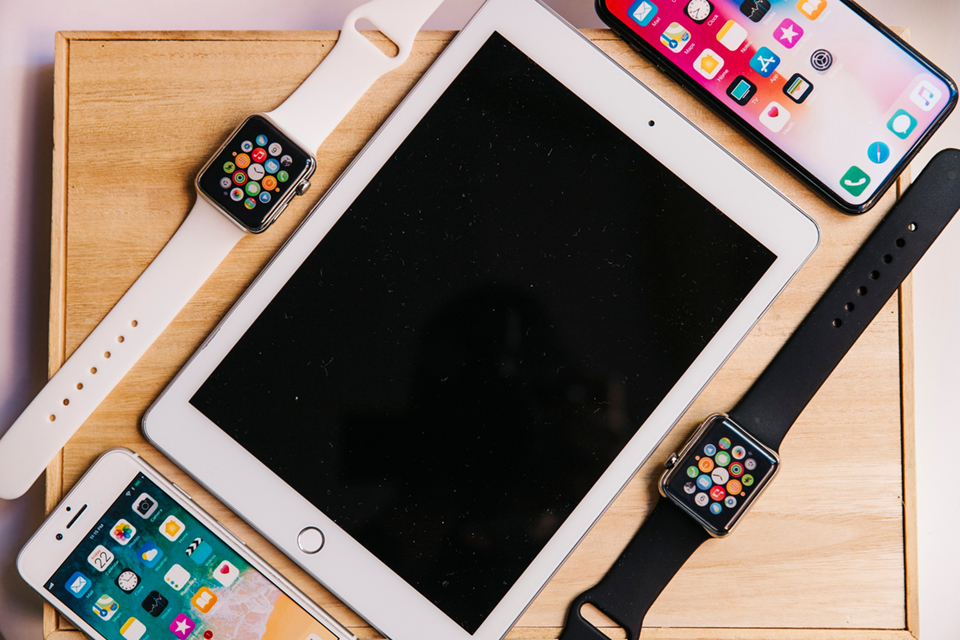
In an age where the pace of life is accelerating and technology is interwoven with every detail of our daily existence, smartwatches have emerged as one of the most prominent innovations to redefine
concept of the traditional "watch." They have transformed it from a mere timekeeping instrument into a multifunctional device that keeps pace with the needs of the modern individual.
Health and Fitness Tracking
Health-related features stand out as some of the most significant functions of a smartwatch, effectively serving as a "pocket doctor" that accompanies the user throughout the day. These devices perform the following tasks:
Continuously monitor heart rate
Track sleep quality and analyze sleep stages
Measure blood oxygen levels
Record steps taken and calories burned
Remind the user to move after prolonged periods of sitting
These features have established the smartwatch as an essential ally for anyone prioritizing their health, as well as a preventive tool that aids in the early detection of health issues.
Enhancing Productivity and Time Management
The smartwatch has evolved into a practical extension of the mobile phone, allowing users to perform various tasks directly from their wrist:
- Answer calls and reply to messages without touching the phone
- View notifications from various applications
- Control music playback and podcasts
- Set alarms, timers, and reminders
- Utilize voice assistants to complete tasks quickly
These capabilities have saved precious time and reduced the need to constantly check one's phone, thereby contributing to improved focus and productivity. **Safety and Emergency Features**
Smartwatches provide vital services during emergencies, offering the ability to:
- * Detect falls and send automatic alerts to designated contacts.
- * Share real-time geolocation data.
- * Initiate emergency calls with the press of a button.
- * Monitor vital signs during health emergencies.
These features have made the smartwatch an indispensable device for the elderly, patients, and individuals working in potentially hazardous environments.
Integration with the Internet of Things (IoT) and Smart Homes
With the proliferation of smart homes, the smartwatch has evolved into a central control hub, enabling users to:
- * Control home lighting and air conditioning systems.
- * Open and close automated doors and windows.
- * Monitor security cameras.
- * Control connected home appliances.
This integration places the power to control the entire home directly on the user's wrist, simplifying daily life and eliminating the hassle of navigating between various separate control devices.
Challenges Facing Smartwatches
Despite their significant benefits, smartwatches face several challenges that require ongoing attention, including:
- * Limited battery life, which necessitates almost daily charging.
- * Measurement accuracy, which can be influenced by external factors.
- * Privacy and security concerns regarding the sensitive data collected by these devices.
- * High cost compared to traditional watches.
- * Excessive reliance on technology, which may potentially diminish self-awareness.
A Look to the Future
The future of smartwatches is trending toward further evolution and deeper integration into our daily lives. In the coming years, we anticipate:
- Advanced medical capabilities, such as non-invasive blood glucose monitoring
- More flexible and foldable screens
- Battery life extending for days—or even weeks
- Deeper integration with augmented reality technologies
- More elegant designs that cater to diverse tastes